-
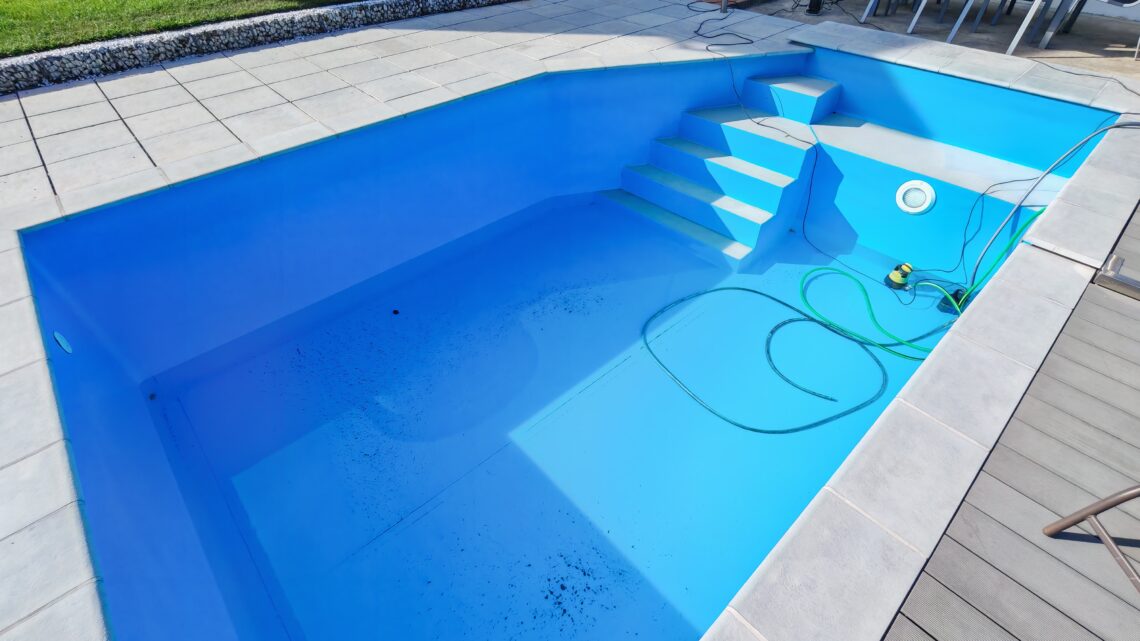
High Chlorine Consumption in the Pool: Why 20 Liters of Chlorine Disappeared in Two Weeks
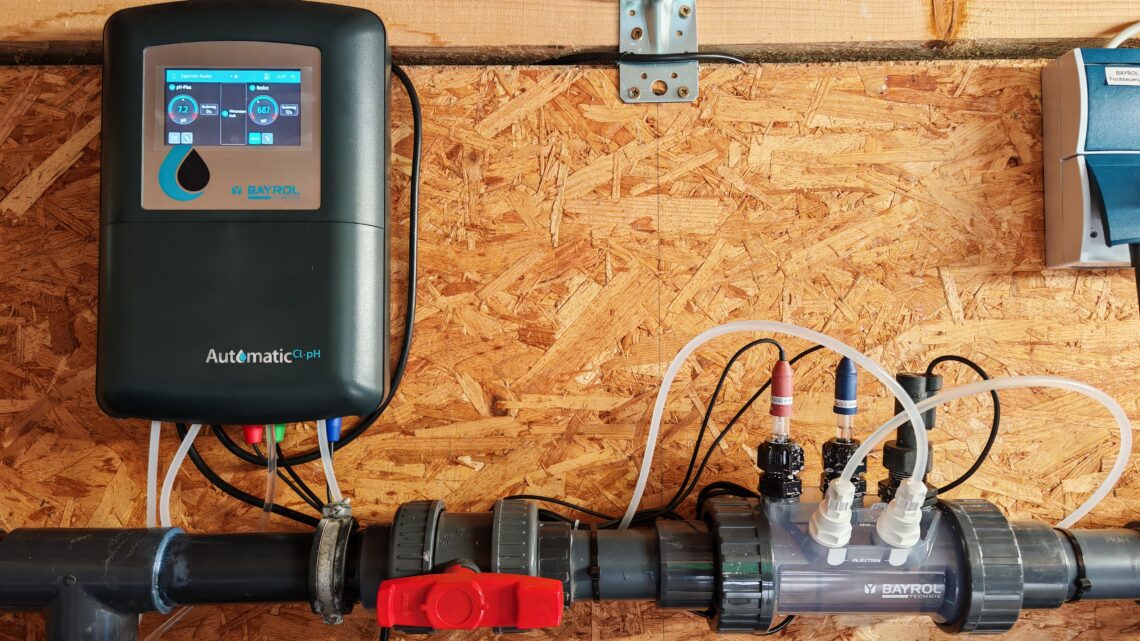
Too much chlorine in the pool, a chlorine canister that’s constantly empty, or water parameters that don’t add up even though the water is clear: There are many possible causes for high chlorine consumption. In addition to sunlight, temperature, and swimming activity, the pH level, the chlorine products used, and cyanuric acid also play an important role. Even a good redox value does not automatically mean that the measured chlorine level in the pool is interpreted correctly. I noticed the problem after installing the BAYROL Automatic Cl-pH. In just under two weeks, the dosing system used about 20 liters of liquid chlorine—even though the water was clear and the system…
-
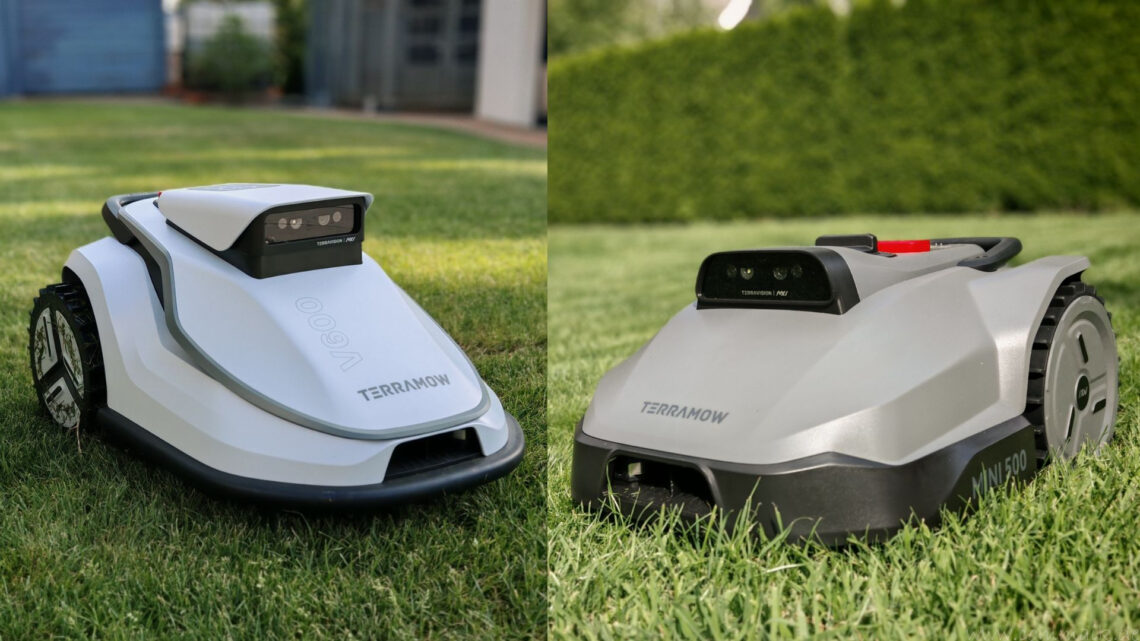
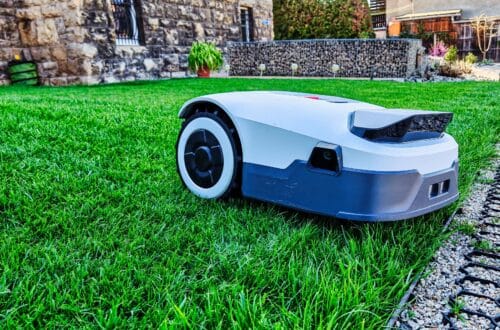
TerraMow V1000, V600, and Mini 500 Review: Robotic Lawn Mowers Without RTK and Lidar?
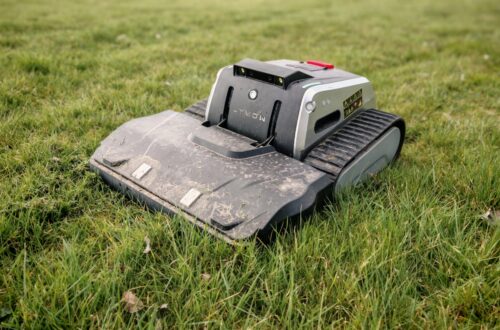
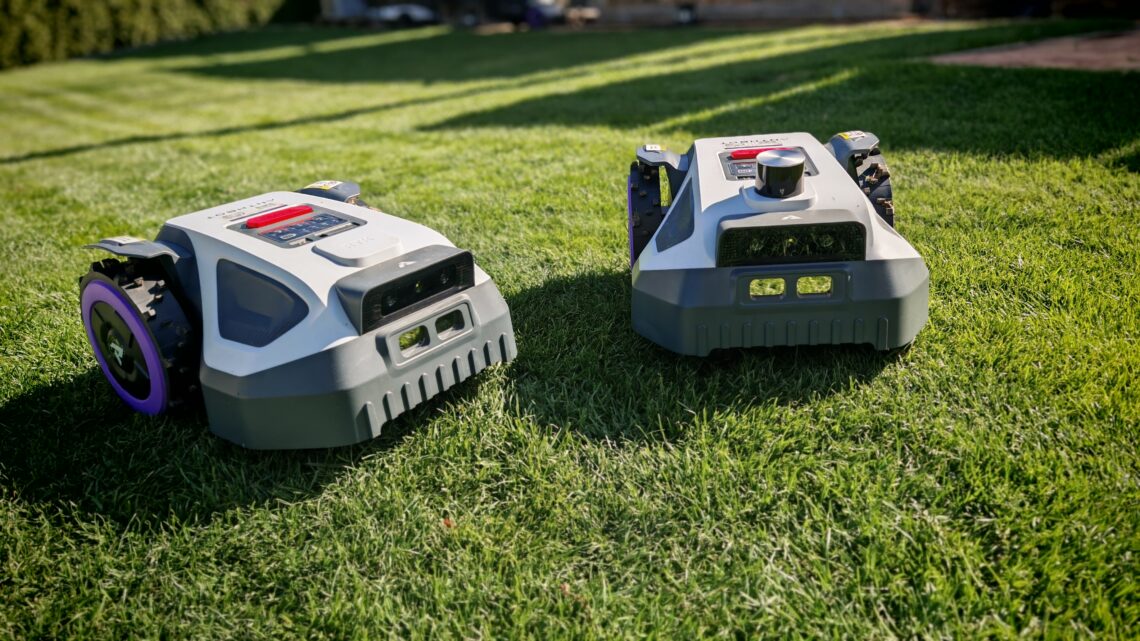
A robotic lawn mower without RTK, LiDAR, or a boundary wire is supposed to map the yard on its own and still navigate reliably. This is exactly where the TerraMow Mini 500, TerraMow V600, and TerraMow V1000 come in, with their camera-based TerraVision 2.0 technology. I’ve tested the Mini 500 and V600 extensively and am comparing them to the larger V1000. This article highlights the differences in navigation, obstacle detection, the app, coverage area, and edge cutting—and explains which model is the best choice for which type of garden.
-
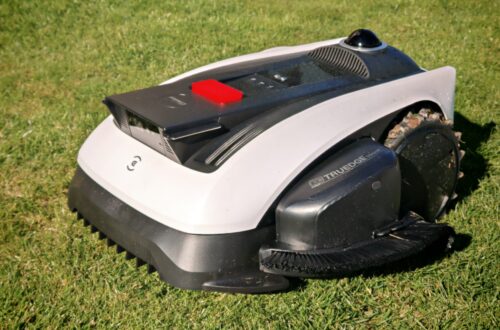
ECOVACS GOAT O1200 LiDAR PRO Review: Perfect Edge Mowing Without Any Touch-Ups?
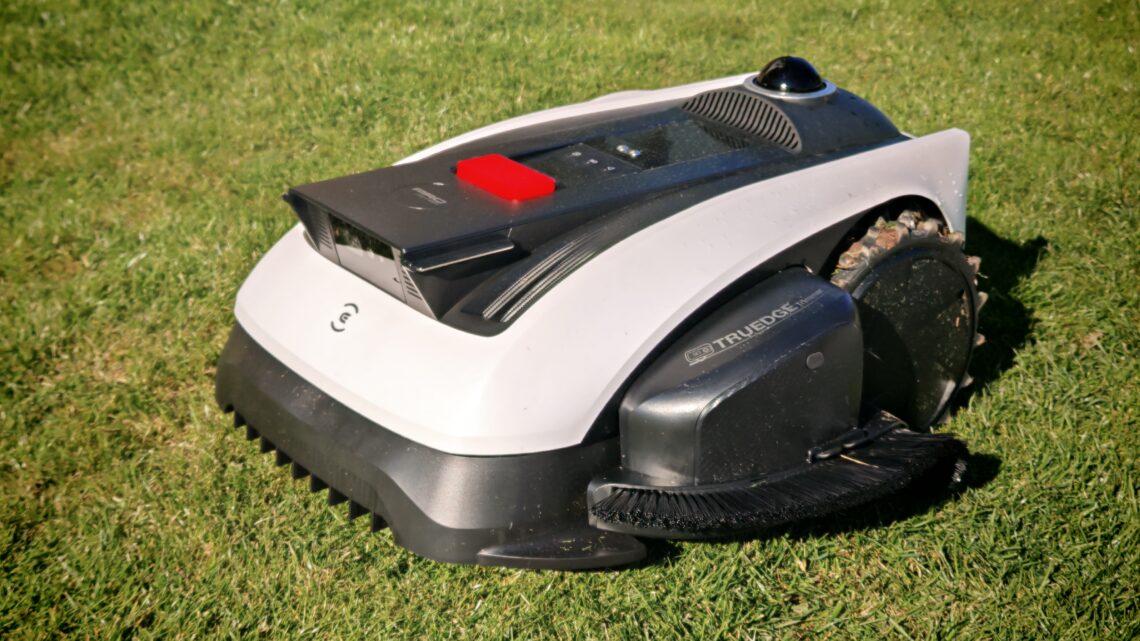
Lawn edges are among the biggest weak spots for many robotic mowers. The open lawn area is mowed neatly, but a narrow strip often remains unmowed along walls, hedges, or barriers that the mower cannot cross. That’s exactly where the ECOVACS GOAT O1200 LiDAR PRO comes in, with its side-extending TruEdge Trimmer. I tested the robotic lawn mower on three separate lawns, evaluating features such as automatic mapping, navigation, app control, the mowing pattern, and edge cutting. I was particularly interested in whether the built-in trimmer could actually reduce the need for regular touch-ups with a handheld trimmer. The first impression in the ECOVACS GOAT O1200 LiDAR PRO review was…
-
Installing the BAYROL Automatic Cl-pH in the Pool and Retrofitting a Temperature Sensor: My Experience
Having crystal-clear pool water shouldn’t depend on whether I have the time or inclination to read test strips and adjust the water levels manually. That’s exactly why I upgraded my pool system with an automatic dosing system and installed the BAYROL Automatic Cl-pH. The system continuously measures the pH and redox values and can dispense chlorine and pH adjusters as needed. In a second step, I retrofitted a BAYROL temperature sensor. This allows me to check not only the water parameters but also the current water temperature via the display, the web portal, and the app. In this field report, I document the installation and commissioning of Automatic Cl-pH, explain…
-
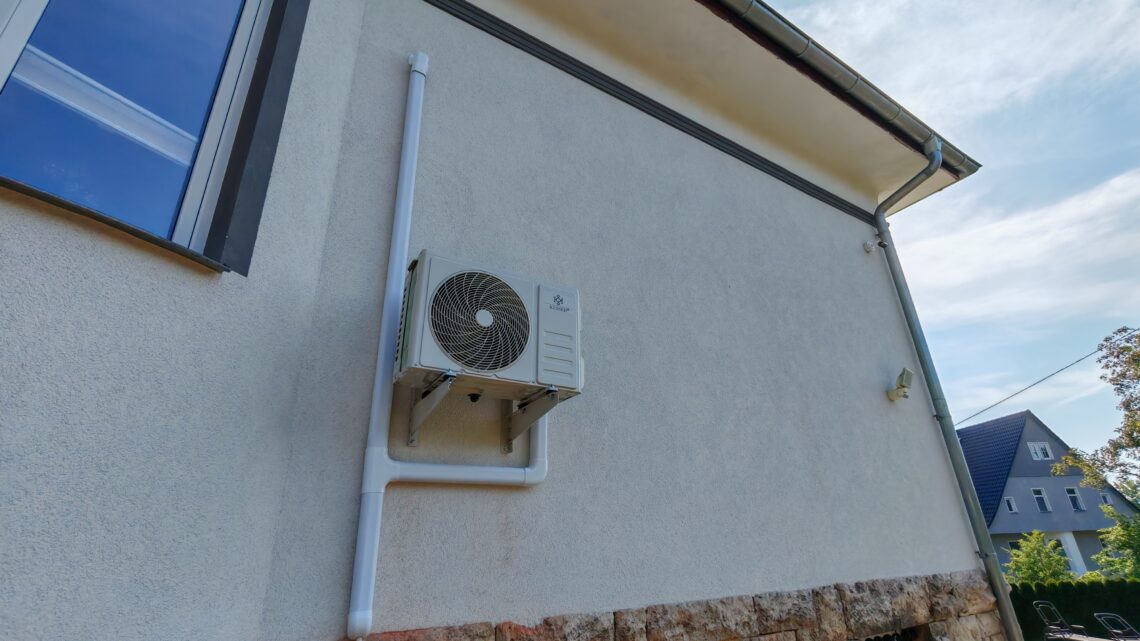
Installing Air Conditioning Yourself in an Older Building – Heating and Cooling in Practice
Installing a split-system air conditioner yourself in an older building—does that really work? It was precisely this question that I explored in an Art Nouveau villa dating from 1900. In this field report, I document the entire installation process for a split-system air conditioner, explain the technology behind the air-to-air heat pump, and demonstrate why modern air conditioners today—
-
Robot lawn mower without boundary wire in test: LiDAR vs RTK in comparison (ANTHBOT M5 vs M9)
Robot mowers without boundary wires are currently one of the most exciting developments in the gardening sector. In my test, I directly compared two different concepts: the ANTHBOT M5 as a LiDAR robotic lawnmower and the ANTHBOT M9 as an RTK robotic lawnmower with GPS navigation. Both models manage completely without a perimeter wire and show in the practical test how well cordless robotic lawn mowers really work today. In this comparison, I share my experiences from my own garden, discuss navigation, obstacle detection, edge cutting and set-up and clarify which robotic lawnmower without a wire is the best choice for which area of application.
Ähnliche Beiträge

Efficient heating with infrared heating foil: installation, experience and tips for electric wall heating
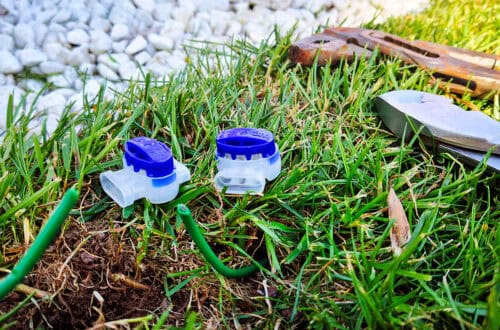
Repairing broken wires: Finding and repairing the boundary wire for robotic lawnmowers
Build your own smoke-free fire barrel: DIY instructions from a 200 L oil drum with secondary ventilation